





Did you know you might be owed thousands of dollars due to a State Pension error? Martin Lewis says if you took time off work from 1978 to 2010 to care for kids or someone with a disability, you could get a refund.
Staying updated with latest money-saving tips can really help your finances. Martin Lewis, a top personal finance expert, shares great advice on saving energy and getting state pension refunds.
Following Martin Lewis’s money-saving advice can lead to better financial choices. His tips can help you cut down on energy bills or claim a state pension refund, saving you money.
Understanding Martin Lewis and His Money-Saving Philosophy
Martin Lewis is the founder of a top money-saving website. He gives great advice to help people save money. He knows a lot about financial products and consumer rights, making him a trusted expert in personal finance.

Who is Martin Lewis?
Martin Lewis started Money Saving Expert, a site that changed how we save money. He gives clear, useful advice on many financial topics, like credit cards and insurance.
The Importance of Money-Saving Tips
Money-saving tips are key in today’s economy. With costs going up, good advice can really help your finances. Martin Lewis’s tips help you shop smart, save on energy, and use financial products wisely.
| Tip | Description | Potential Saving |
|---|---|---|
| Smart Shopping | Using price comparison websites and coupons effectively | Up to 50% on purchases |
| Energy Efficiency | Switching to the right energy tariff and reducing consumption | Up to £200 annually |
| Financial Products | Choosing the best credit cards and insurance deals | Varies, potentially hundreds |
How to Apply His Advice Responsibly
Martin Lewis’s tips are meant to help you save money. But, it’s important to use them wisely. This means knowing your finances, understanding product terms, and making smart choices.
By using Martin Lewis’s advice and staying informed, you can save a lot and better your financial health.
Recent Rising Costs and Their Impact on Your Budget
Many households are worried about their bills going up because of the energy price cap increase. This is part of a bigger trend of rising costs affecting budgets everywhere.
Analyzing Inflation Trends
Inflation trends are key in understanding the cost of living. When inflation goes up, your money buys less. Knowing these trends helps you budget better.
Recent data shows inflation is rising, hitting household expenses hard. For example, food, transport, and utility costs have increased. This is tough on many families’ budgets.

Essential Expenses You Should Monitor
To manage your budget well, watch your essential expenses closely. These include energy bills, grocery costs, and transport expenses.
| Expense Type | Average Cost | Tips for Reduction |
|---|---|---|
| Energy Bills | $150/month | Switch to energy-efficient tariffs, reduce usage |
| Groceries | $500/month | Plan meals, buy in bulk, use coupons |
| Transportation | $300/month | Carpool, use public transport, maintain vehicles |
By watching these expenses and using Martin Lewis’s tips, you can lessen the blow of rising costs on your budget.
For instance, understanding energy tariffs and switching to better suppliers can cut your energy bills. Planning meals and buying groceries in bulk can also save a lot.
Smart Shopping Strategies
To save money, you need to shop smart. Here are some strategies to help you do just that. By being mindful of your shopping habits and making a few simple changes, you can significantly reduce your expenses.
How to Use Coupons Effectively
Coupons can be a great way to save money on your everyday purchases. Start by organizing your coupons in a way that makes them easy to find. You can use digital coupons on your smartphone or clip physical ones from newspapers and flyers. Always check the expiration dates to ensure you’re using them before they expire.

The Power of Price Comparison Websites
Price comparison websites are a powerful tool in your shopping arsenal. They allow you to compare prices across different retailers, ensuring you get the best deal. Some websites also offer price alerts, so you can be notified when the price of an item you’re interested in drops.
Timing Your Purchases Wisely
Timing is everything when it comes to shopping. Certain items go on sale at specific times of the year. For example, winter clothing in January or summer toys in July. By planning your purchases around these sales, you can save a significant amount of money. Additionally, consider shopping during off-peak hours or using cashback credit cards for extra savings.
Energy-Saving Tips for Your Home
Martin Lewis’s money-saving advice on energy-saving tips can really help your budget. By understanding your energy tariffs and making simple changes, you can save a lot on your bills. Also, switching to a different energy supplier can make a big difference.
Understanding Energy Tariffs
Energy tariffs can be tricky, but picking the right one is key to saving money. A fixed energy tariff can cut your bills by up to 15% compared to a variable rate. It’s important to check your tariff often to make sure you’re getting the best deal.
- Check if you’re on a fixed or variable rate tariff.
- Understand the terms of your contract, including any exit fees.
- Compare different tariffs from various suppliers to find the best deal.
Simple Ways to Reduce Your Energy Bill
Lowering your energy use is good for the planet and your wallet. Simple steps like using energy-efficient bulbs, turning off appliances, and insulating your home can help a lot.
- Replace traditional incandescent bulbs with LED bulbs.
- Use a smart meter to monitor your energy usage in real-time.
- Improve your home’s insulation to reduce heating costs.

Benefits of Switching Energy Suppliers
Switching your energy supplier can be a simple way to cut your energy costs. Some suppliers offer much cheaper rates than others. For instance, Octopus Energy’s tracker tariff can be 30% cheaper than the price cap.
- Research and compare different energy suppliers.
- Check for any promotional offers or discounts for new customers.
- Consider the benefits of a fixed-rate tariff versus a variable rate.
Insider Knowledge on Insurance Savings
Insurance savings are within your reach if you know where to look and how to optimize your policies. With the right strategies, you can significantly reduce your insurance expenses without compromising on coverage.
Finding the Best Insurance Deals
To save on insurance, it’s crucial to shop around and compare different policies. Here are some tips to find the best deals:
- Use online comparison tools to evaluate different insurance providers.
- Check customer reviews and ratings to gauge the reliability of the insurer.
- Consider working with an insurance broker who can help you navigate the market.
How to Bundle Your Policies
Bundling your insurance policies can lead to significant discounts. By combining multiple policies with the same provider, you can enjoy reduced premiums. Here’s how to bundle effectively:
- Identify the types of insurance you need, such as home, auto, and life insurance.
- Check with your current insurer to see if they offer bundling discounts.
- Compare bundled policies across different providers to ensure you’re getting the best deal.

Common Pitfalls to Avoid
While saving on insurance is important, it’s equally crucial to avoid common pitfalls that could leave you underinsured or overpaying. Here are some mistakes to watch out for:
- Not reviewing your policies regularly to ensure they still meet your needs.
- Overlooking the fine print, which can lead to unexpected exclusions or limitations.
- Failing to disclose relevant information, which can void your policy or lead to higher premiums.
By being aware of these potential pitfalls and taking proactive steps to optimize your insurance policies, you can enjoy significant savings while maintaining adequate coverage.
Maximizing Your Grocery Budget
Grocery shopping can be expensive. But, with smart strategies, you can save a lot. Simple changes in your shopping habits can make a big difference in your budget.

Planning Your Meals—Why It Matters
Meal planning is key to saving money on groceries. It helps you avoid buying things you don’t need and cuts down on waste. This saves money and promotes healthier eating.
To begin, think about what you like to eat and what you need. Then, plan your meals for the week or month. Make a list of what you need to buy.
Seasonal Eating: Save Big on Fresh Produce
Eating what’s in season is another smart way to cut costs. Seasonal produce is often cheaper and tastes better. Find out what’s in season by talking to local farmers or checking online guides.
- Buy produce that’s in season to save money.
- Visit your local farmers’ market to find fresh, seasonal produce.
- Consider preserving seasonal produce through canning or freezing.
Exploring Bulk Buying Options
Buying in bulk can save you money on non-perishable items. But, remember to check if you have enough space and if the item won’t expire soon. Focus on buying things you use a lot.
Good bulk buys include grains, canned goods, and household items. Buying these in bulk can save you money and reduce your trips to the store.
Strategies for Understanding Credit
Understanding credit can seem tough, but with the right approach, you can manage your finances well. Martin Lewis’s advice highlights the importance of knowing how to handle your credit score.
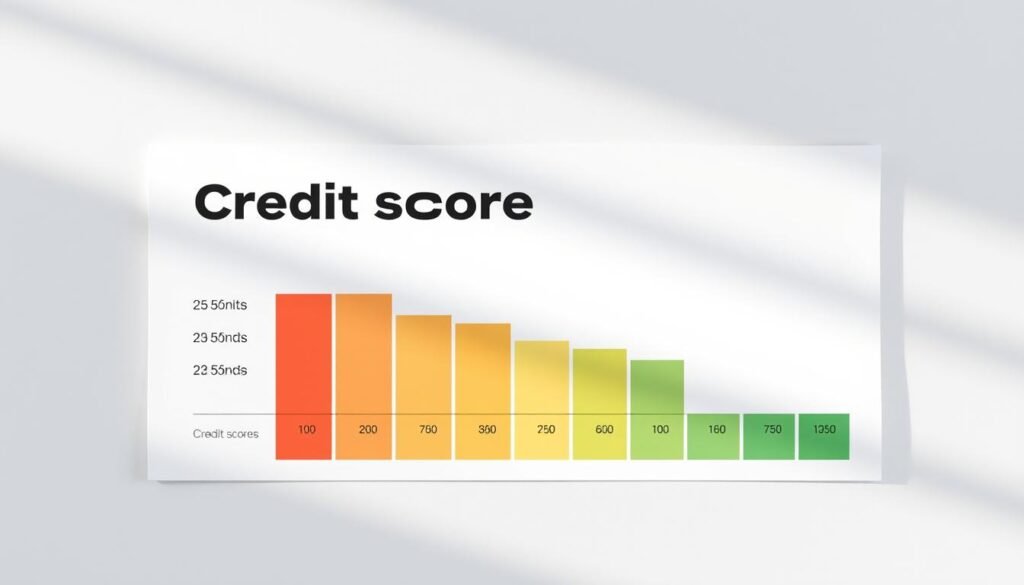
Importance of Your Credit Score
Your credit score is key to your financial health. It affects your ability to get loans, credit cards, and even apartments. A good score can lead to lower interest rates and better loan terms.
How to Improve Your Credit Health
To boost your credit health, follow these steps:
- Regularly check your credit report for errors or fraud.
- Pay your bills on time to show you’re responsible.
- Keep your credit usage low to avoid overusing your available credit.
Tips for Smart Credit Card Use
Using credit cards smartly is crucial for good credit health. Here are some tips:
- Choose cards that match your spending habits for rewards.
- Always pay your balance in full to avoid interest.
- Use a credit card for regular purchases to build credit, if you can pay it off.
By using these strategies and tips, you can better understand credit and improve your finances. This aligns with Martin Lewis’s money-saving advice.
Creating a Budget That Works for You
A good budget is key to financial stability. It helps you understand your income and expenses. This way, you can wisely use your money.

Tools and Apps for Easy Budgeting
Budgeting apps make managing money easier. Many tools help track expenses, plan budgets, and set financial goals. Mint, You Need a Budget (YNAB), and Personal Capital are some popular ones.
These apps track expenses, remind you of bills, and watch your investments. They give you a clear view of your finances. This helps you make better money choices.
How to Set Realistic Financial Goals
Setting achievable financial goals is important. Start with short-term and long-term plans. This could be saving for emergencies, paying off debt, or building a retirement fund.
Make sure your goals are clear, measurable, and reachable. They should also be relevant and have a deadline. This keeps you focused and motivated to reach your financial targets.
Tracking Your Expenses Effectively
Keeping track of your spending is vital. It shows where your money goes. This helps you find ways to save and reach your goals.
Try the 50/30/20 rule: 50% for needs, 30% for wants, and 20% for savings and debt. Regularly check your spending. This helps you stay on track and adjust as needed.
The Benefits of Automated Savings
Automating your savings is a smart move for your financial future. It makes saving easy by taking a part of your income without you having to do anything. This builds a safety net for you.
Setting Up Direct Deposits
Direct deposits are a great way to save money. They move a part of your paycheck to savings before you can spend it. This way, you save without even thinking about it.
- Choose a savings account with a high-interest rate.
- Set up automatic transfers from your checking account.
- Take advantage of employer-matched retirement accounts.
The Power of Savings Challenges
Savings challenges can make saving fun. For example, the “52-week savings challenge” is to save an amount equal to the week number. So, you save $1 in week one, $2 in week two, and so on.
| Week | Amount to Save | Total Savings |
|---|---|---|
| 1 | $1 | $1 |
| 2 | $2 | $3 |
| … | … | … |
| 52 | $52 | $1,378 |
Long-Term Planning For Retirement
Automated savings are key for retirement planning. By setting up automatic transfers to a retirement account, you save for your future without effort.
Here are some retirement savings options:
- 401(k) or employer-sponsored retirement plans.
- Individual Retirement Accounts (IRAs).
- Roth IRAs for tax-free growth.
By using automated savings and retirement accounts, you can grow a big nest egg over time.
Navigating Student Loans and Debt Management
Student loans can feel overwhelming, but you can manage them. Martin Lewis’s advice is key here. He stresses the need to understand your financial duties, including student loans.
Options for Repayment Plans
First, learn about your repayment options. There are several plans, like income-driven ones. These plans lower your monthly payments based on your income and family size.
- Income-Based Repayment (IBR)
- Pay As You Earn (PAYE)
- Revised Pay As You Earn (REPAYE)
Each plan has its own rules and benefits. For example, IBR caps your payments at a certain percentage of your discretionary income.
Exploring Forgiveness Programs
Loan forgiveness programs can be a big help. Programs like Public Service Loan Forgiveness (PSLF) can forgive part or all of your loans. This is if you work in a qualifying public service job for a set number of years.
To qualify, you need to be in a qualifying repayment plan and make a certain number of payments. Knowing the details of these programs can guide your career and loan management choices.
Tips for Avoiding Default
Defaulting on your student loans can harm your finances. It can damage your credit score and lead to wage garnishment. To avoid default, try these strategies:
- Speak with your loan servicer about your options.
- Look into consolidating your loans to make payments easier.
- Apply for deferment or forbearance if you’re struggling financially.
By being proactive, you can handle your student loan debt well. This way, you can avoid the dangers of default.
Taking Advantage of Cash-Back and Rewards Programs
You can save more by using cash-back and rewards programs. Experts like Martin Lewis suggest this. These programs let you earn money back or points on your daily buys.
Popular Cash-Back Options
Top cash-back credit cards come from big banks. They give a percentage of your spend back as credit or direct deposit. Look at the rewards rate, spending limits, and fees when picking a card.
Maximizing Your Rewards
To get the most from rewards, know the rules. This includes any rotating categories or spending limits. Choose the right card for each purchase to increase your rewards.
Using Rewards Wisely
Rewards programs can be great, but be careful not to spend too much. Martin Lewis says to use cards wisely and pay off balances fully each month. This way, you really benefit from cash-back and rewards.