





As fall comes, the cooler weather is a nice change from the summer heat. But, it also means higher utility costs for many. If you’re worried about how these costs affect your budget, you’re not alone.
More than 78% of US adults are worried about their home energy costs. With living costs going up, finding ways to use less energy is key. It can really help your budget.
There are simple ways to cut down on your electricity bills. You can make your home more comfortable without spending a lot. This article will show you how to save on electricity and manage your energy costs better.
Understanding the Factors Behind Rising Energy Bills
The cost of energy has gone up due to many reasons. To lower your energy bills, it’s key to know what’s behind this increase.
National Energy Trends
National trends in energy are a big reason for higher costs. The U.S. expects a big jump in power demand by 2025 and 2026. This is because of more AI data centers and warmer weather.
Since 2022, home energy prices have grown faster than the Consumer Price Index. Knowing these trends is vital to cut down on energy costs.
| Year | Residential Energy Price Index | Consumer Price Index |
|---|---|---|
| 2022 | 2.5% | 2.0% |
| 2023 | 3.2% | 2.3% |
| 2024 | 4.1% | 2.5% |
The Impact of Seasonal Changes
Seasonal changes greatly affect your energy bills. When it’s very cold or hot, we use more energy.
In summer, air conditioning makes our homes cooler, raising energy use. In winter, heaters work hard, also increasing bills.
Supply Chain Influences
Disruptions in the energy supply chain also raise costs. When there are delays in getting energy resources, prices can swing wildly.
To fight these price swings, learning energy-saving tips is crucial. Finding ways to use less energy is important.
By grasping these factors, you can find ways to lower your energy bills. This will help you save money on electricity.
Top Tips for Reducing Your Electricity Usage
Lowering your electricity usage is easy with simple habits and smart tech. A few changes can cut down your energy use and lower bills.
Energy-Efficient Appliances
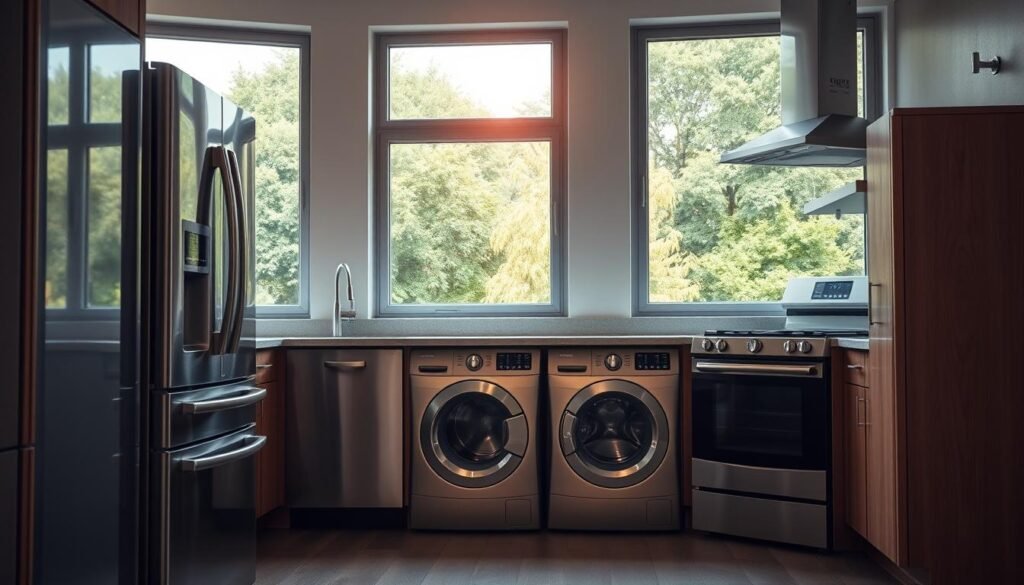
Using energy-efficient appliances is a great way to cut down on electricity. Look for the ENERGY STAR label on appliances. It means they meet high energy standards.
Switching to energy-efficient appliances can save a lot. For example, a new ENERGY STAR fridge can save up to $200 in five years.
Smart Home Technology
Smart home tech is also key to using less electricity. Smart thermostats learn your habits to save energy. You can even control them from afar.
- Smart plugs help monitor and control appliance energy use.
- Smart lights turn off when you leave or adjust brightness automatically.
Adding smart home tech to your life makes your home more energy-smart. It helps you use less electricity.
Simple Changes to Your Daily Routine
Making a few simple changes to your daily habits can cut your energy costs. By adding sustainable energy solutions to your routine, you help the environment and save money.
Unplugging Unused Devices
One easy way to save energy is to unplug devices when not in use. Even when turned off, many devices still use power. This is called “vampire power” or “standby power” and can add up on your bill.
- Unplug chargers for your phone, laptop, and other devices when not in use.
- Turn off and unplug TVs, computers, and other electronics when not in active use.
- Consider using smart power strips to easily switch off power to multiple devices at once.
Optimal Use of Heating and Cooling
Changing your thermostat can also save a lot on your bills. Lowering it by 7 to 10 degrees for 8 hours can save up to 10% on heating and cooling. Smart thermostats can help you set this up easily, keeping your home comfy while saving energy.
Here are more tips for better heating and cooling:
- Regularly maintain your heating and cooling systems to ensure they operate efficiently.
- Use ceiling fans to circulate air and reduce the need for heating and cooling.
- Install programmable thermostats to automate your temperature adjustments.
By making these simple changes, you can save on energy costs and help the planet.
Understanding Your Energy Bill
Learning to read your energy bill is key to saving money on electricity. Your bill shows how much electricity you use.
By knowing what your bill says, you can find ways to spend less.
How to Read Your Bill
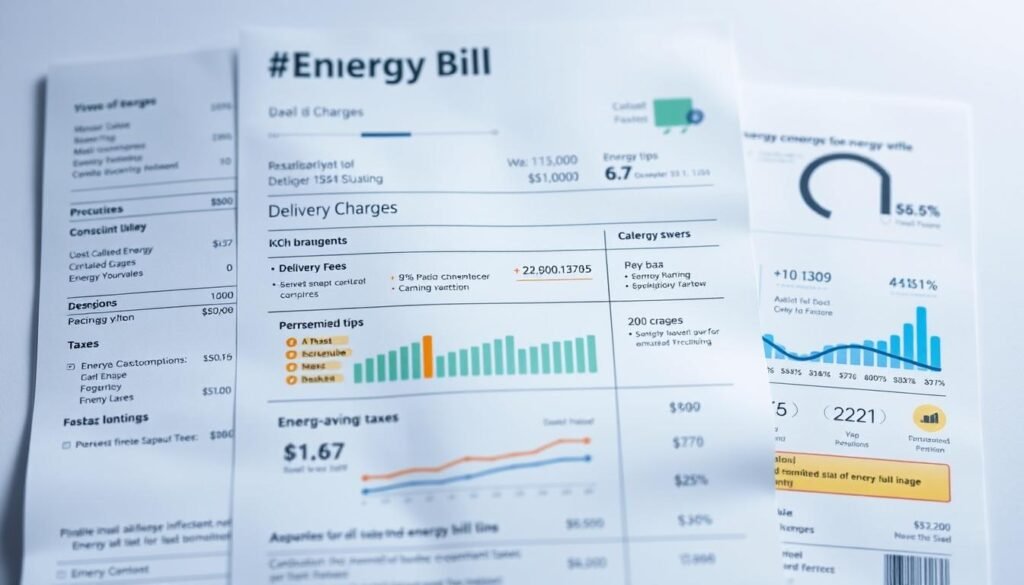
Your energy bill shows how much energy you used, the cost per unit, and extra fees.
- Check your meter readings to ensure they match the consumption data on your bill.
- Understand the different charges, such as supply charges, delivery charges, and any additional fees.
Identifying High-Consumption Areas
To cut down on electricity costs, find out which appliances use the most energy.
| Appliance | Average Monthly Consumption (kWh) | Tips to Reduce Consumption |
|---|---|---|
| Refrigerator | 100-200 | Ensure proper sealing and maintain optimal temperature settings. |
| Air Conditioner | 300-500 | Use programmable thermostats and maintain filters regularly. |
| Washing Machine | 50-100 | Run full loads and use cold water when possible. |
By looking at your energy bill and understanding your usage, you can make smart choices. This helps you use less energy and save money.
The Role of Insulation in Energy Savings
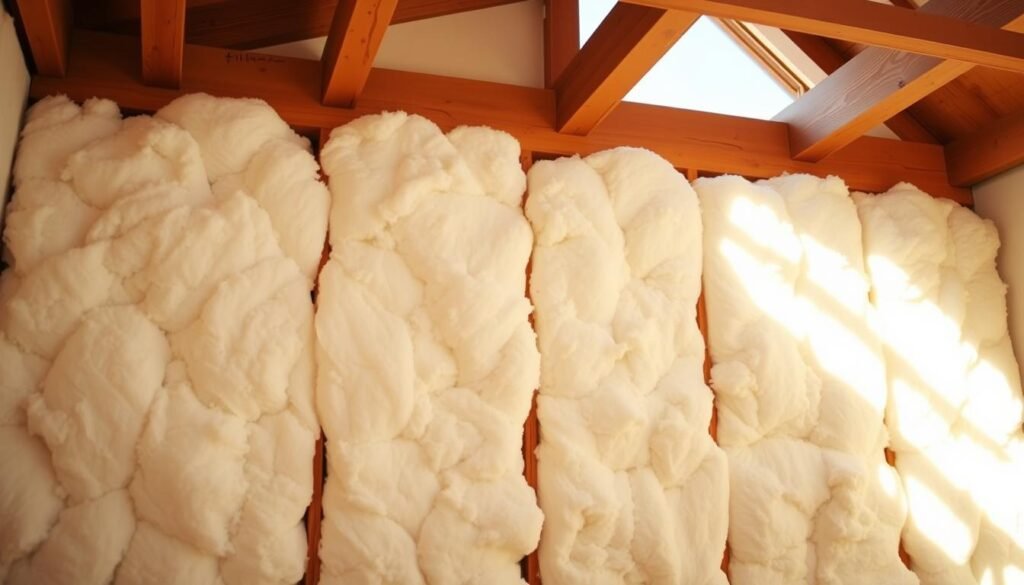
Proper insulation is a key way to cut down on energy costs. It keeps your home’s temperature steady, which means you use less heat and air conditioning. This saves you money and makes your home more energy-efficient.
The Environmental Protection Agency (EPA) says nine out of ten homes need more insulation. Adding insulation to your attic or floors is a cost-effective way to lower your energy bills.
Types of Insulation
There are many types of insulation, each with its own benefits. Knowing about them can help you pick the right one for your home.
- Fiberglass Insulation: This is a common choice. It’s affordable and works well.
- Spray Foam Insulation: It insulates well and seals gaps.
- Reflective Insulation: It reflects heat, keeping it away from your home.
| Type of Insulation | R-Value | Cost |
|---|---|---|
| Fiberglass | R-2.9 to R-3.8 | $0.50 to $1.50 per sq. ft. |
| Spray Foam | R-6.0 to R-7.0 | $1.50 to $3.00 per sq. ft. |
| Reflective | Varies | $0.50 to $2.00 per sq. ft. |
DIY Insulation Tips
Insulating your home can be a DIY project. Here are some tips to help you:
- Check for Gaps: Make sure your home doesn’t have gaps or leaks before insulating.
- Choose the Right Insulation: Pick insulation that fits your climate and the area you’re insulating.
- Wear Protective Gear: When working with insulation, wear protective gear to avoid irritation.
By following these tips and understanding insulation’s role in saving energy, you can lower your energy costs. This makes your home more sustainable.
Exploring Renewable Energy Options
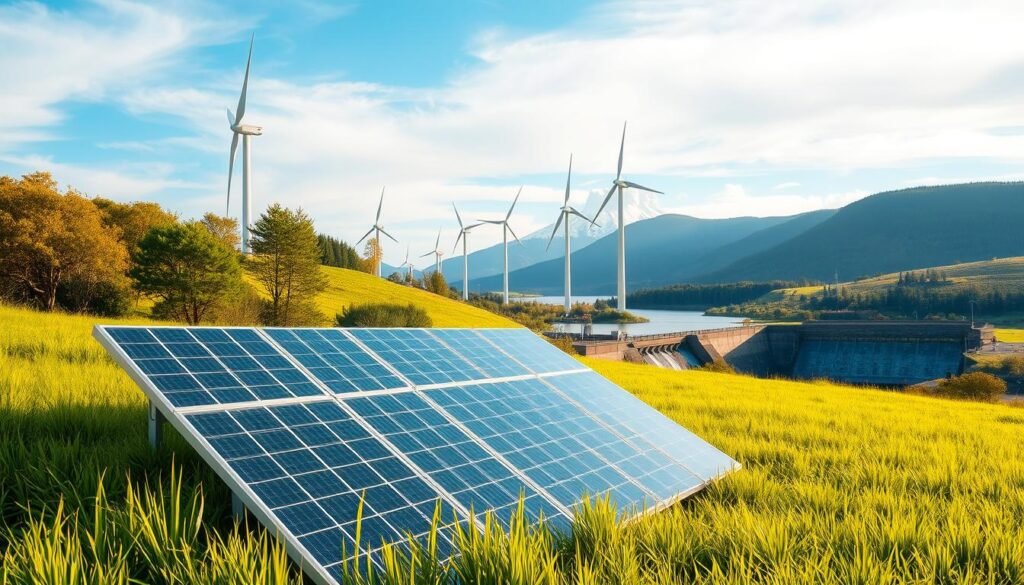
Renewable energy is a key to using energy wisely. The world is moving towards cleaner energy, and homes and businesses are taking notice. Using natural resources for energy can cut down your bills and help the planet.
Benefits of Solar Energy
Solar energy is easy for homeowners to get into. Solar panels let you make your own power, cutting down on grid use and bills. They fit your energy needs and are getting better and cheaper.
Solar energy also helps the environment by cutting down carbon emissions. Homeowners can get financial help and tax breaks, making it easier to start.
Community Solar Programs
Not everyone can put solar panels on their roof. But, community solar programs offer a way to share solar benefits. They’re great for renters, those with shaded roofs, or anyone wanting solar without the cost.
Joining a community solar program can lower your energy bills without the need for panels. It’s a simple way to support clean energy and save money.
Looking into renewable energy can help you save money and the planet. Whether it’s solar panels or community programs, making the change is beneficial for both your wallet and the environment.
Utilizing Energy Assistance Programs
Energy assistance programs can help you save on your electricity bills. They are designed to make your home more energy-efficient. This can lead to big savings on your utility bills.
Government Initiatives
The government has programs to help you lower your energy costs. The Low-Income Home Energy Assistance Program (LIHEAP) is one of them. It gives financial help to low-income families to cover their energy bills.
- LIHEAP helps with energy bills, especially in extreme weather.
- The Weatherization Assistance Program (WAP) improves your home’s energy efficiency. This reduces how much energy you use.
Local Resources
Local groups and non-profits also offer energy help. Many electric companies give free energy audits. They check your home and suggest ways to lower your bill.
You can also do a DIY home energy audit. The US Department of Energy has instructions on their website. This can show you where your home is losing energy, so you can fix it.
Here are some ways to cut your energy costs:
- Seal air leaks around doors and windows.
- Add insulation to your attic, walls, and floors.
- Switch to energy-efficient appliances and lights.
By using these programs and solutions, you can lower your electricity bills. This helps make the future more energy-efficient.
Investing in Energy-Efficient Upgrades
To fight rising energy bills, think about making upgrades that save money. These upgrades cut down on electricity costs and help the planet too.
Replacement Windows
Investing in new windows is a big step. Old windows let heat out in winter and in during summer. This means you use more heating and cooling.
New windows can keep your home cozy and cut down on energy use. Look for double or triple glazing, low-E coatings, and gas fills for better efficiency.
Energy Star Ratings
Choosing products with the Energy Star label is key. The Energy Star program shows which products are energy-smart. Energy Star appliances use less energy.
Energy Star products offer many benefits:
- Less energy use
- Lower bills
- Good for the environment
Always check for the Energy Star label when buying new appliances or upgrades. It ensures you’re choosing something that saves energy and money.
Creating a Personalized Energy-Saving Plan
Now that you know how to cut down on energy use, it’s time to make a plan. Start by checking how much energy you use now. This will show you where you can do better.
Assess Your Energy Use
An energy audit can show you which appliances and habits waste energy. This info helps you choose better ways to save energy and money.
Set Realistic Savings Goals
Having clear energy-saving goals helps you see how far you’ve come. By using energy-saving tips and watching your energy use, you can cut costs a lot.
By following these steps, you can make a plan that works for you. This plan will help you save energy and support a greener future.