


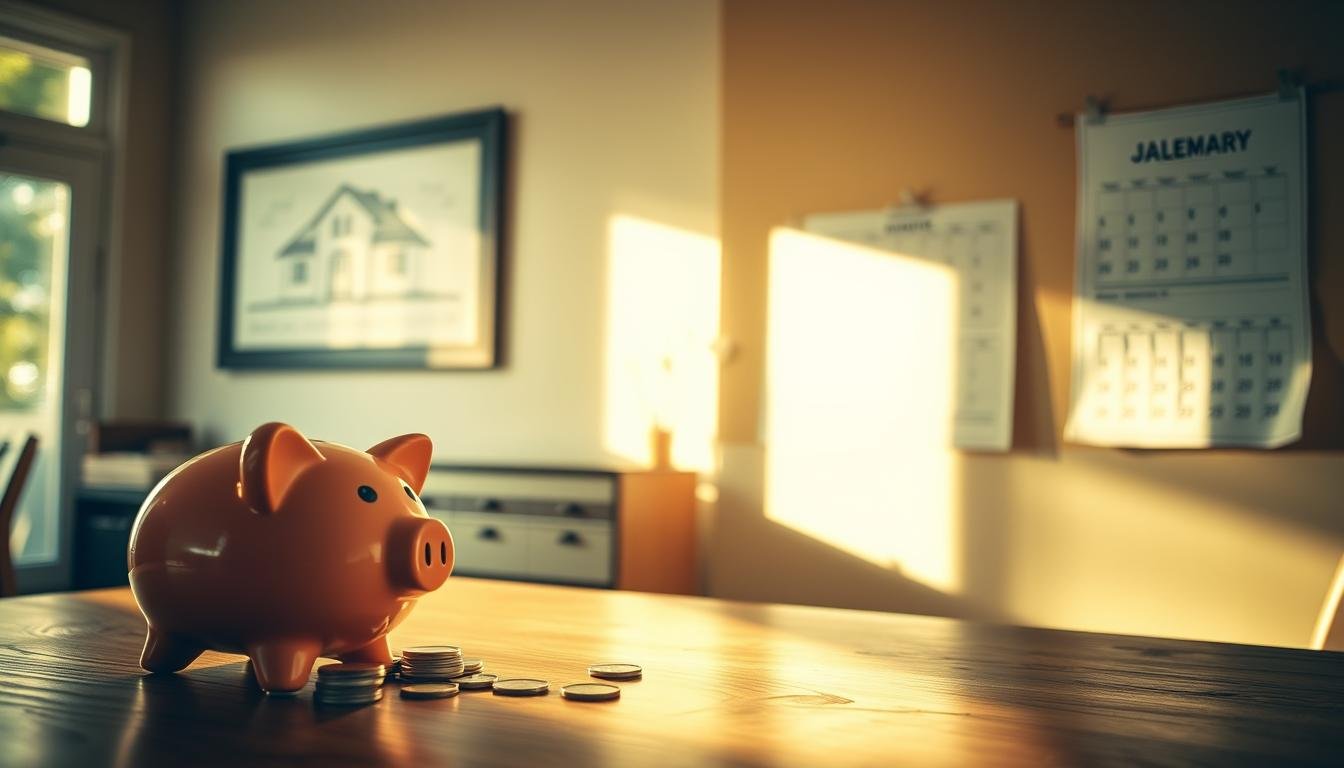
Getting your own home is a big dream, but saving for a down payment can be tough. With houses costing around $419,200 on average, saving 20% seems like a huge challenge.
But you’re not alone in this fight. Many people find it hard to save enough money. Yet, with the right plan, you can make your dream come true.
Start saving early and keep at it. This way, you can beat the financial obstacles and begin your journey to homeownership.
Why Saving for a Down Payment is Important
Understanding the importance of saving for a down payment is key to achieving your dream of homeownership. A down payment is the amount paid upfront towards the home purchase price. It plays a significant role in determining your mortgage terms.
Understanding Down Payments
A down payment is a critical component of the home-buying process. In the United States, the minimum down payment requirements vary based on the type of mortgage and the purchase price. For conventional loans, you can put down as little as 3% to 5% of the purchase price. However, putting down 20% is often recommended to avoid private mortgage insurance (PMI).
| Down Payment Percentage | Benefits | Considerations |
|---|---|---|
| Less than 20% | Lower upfront costs, easier to buy sooner | Higher monthly mortgage payments due to PMI |
| 20% or more | Avoids PMI, lower monthly mortgage payments | Higher upfront costs, may delay home purchase |
Impact on Mortgage Rates
The size of your down payment can also impact the interest rate you’re offered on your mortgage. Generally, a larger down payment can lead to a more favorable interest rate because it reduces the lender’s risk.
Making a larger down payment demonstrates financial stability and a lower risk for lenders. This can result in better loan terms for you.

Benefits of Saving Early
Starting to save early for your down payment can have significant benefits. It allows you to take advantage of compound interest if you’re saving in an interest-bearing account. It also gives you more flexibility in your budget.
- Reduces the amount you need to borrow
- Lowers your monthly mortgage payments
- May qualify you for better interest rates
- Gives you more negotiating power when buying a home
By saving for a down payment early and consistently, you can make your dream of homeownership more achievable. You’ll put yourself in a stronger financial position.
Assess Your Financial Situation
Before you start saving for a down payment, it’s key to check your finances. This helps you know how much you can save. You need to look at your income, expenses, and how you spend money.
Calculate Your Income and Expenses
First, figure out your monthly income and expenses. This shows how much you can save for a down payment.
Use a budget sheet or an app to track your money. Include all income and expenses, big or small.
Identify Essential vs. Non-Essential Spending
It’s important to know the difference between needs and wants. Needs are things like rent, utilities, and food. Wants are things like eating out or subscription services.
By cutting back on wants, you can save more for your down payment.
| Category | Essential/Non-Essential | Monthly Cost |
|---|---|---|
| Rent | Essential | $1,500 |
| Dining Out | Non-Essential | $300 |
| Groceries | Essential | $500 |
| Subscription Services | Non-Essential | $100 |
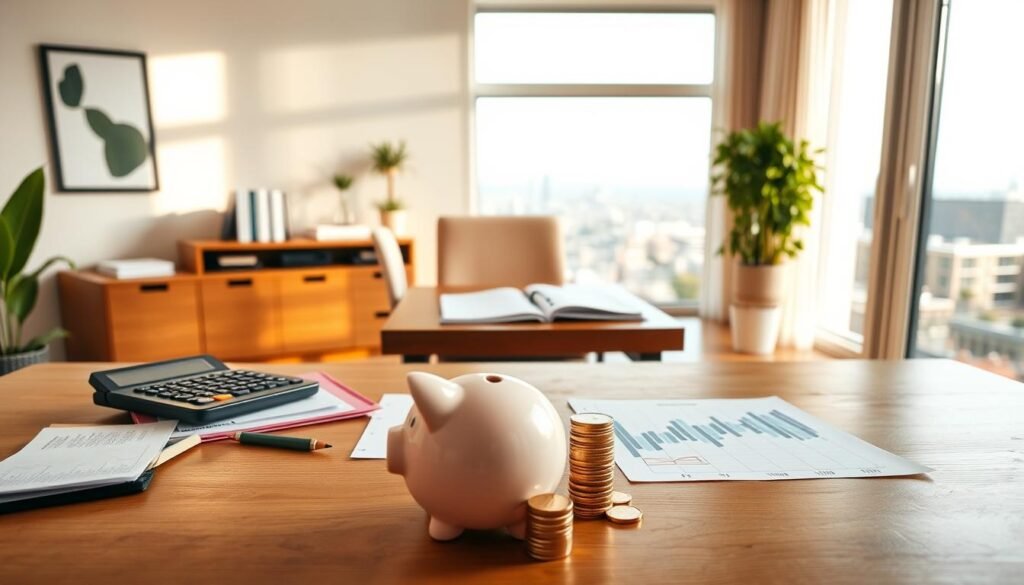
By following these steps, you can find ways to save for a down payment. This makes buying a house more achievable.
Set a Realistic Savings Goal
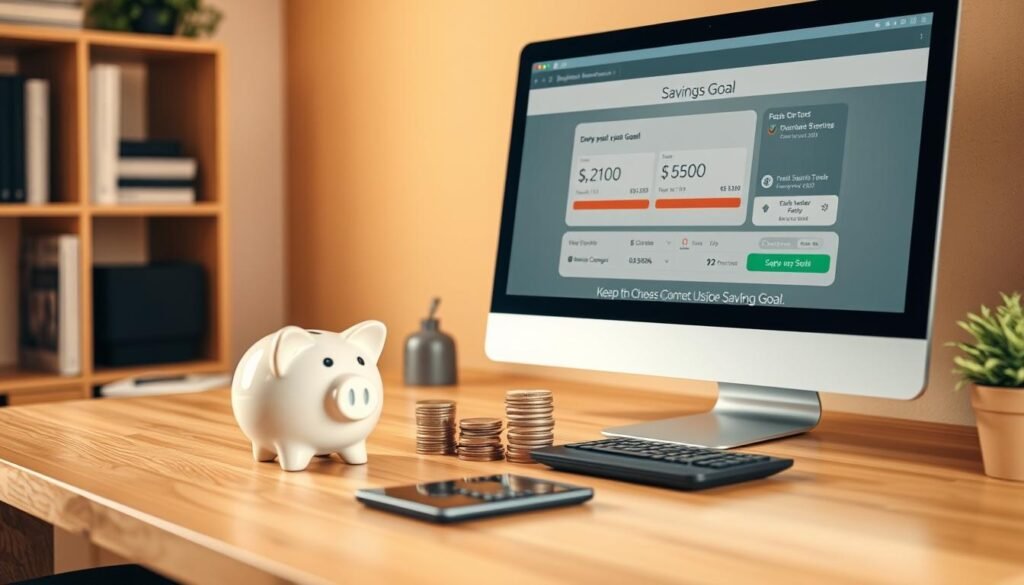
Setting a realistic savings goal is key when you’re trying to buy a house on a tight budget. You need to know your financial situation well. Then, you can set a goal that’s actually doable.
Determine Your Target Down Payment
Your target down payment is a big part of buying a home. Usually, a 20% down payment is best to skip private mortgage insurance (PMI). But, some loans let you put down less.
To figure out your target down payment, think about:
- The price range of the home you want
- The down payment percentage needed for your mortgage
- Your current savings and income
Create a Savings Timeline
After setting your target down payment, make a savings plan. This means figuring out how much to save each month to hit your goal in a certain time.
To make a good savings plan:
- Choose a realistic time frame to save for your goal
- Figure out your monthly savings by dividing your down payment goal by the number of months
- Change your plan if needed, based on your income and expenses
By following these steps, you can save more for a home down payment, even with a tight budget.
Create a Budget
A well-planned budget is key to saving for a house down payment. It helps you manage your money well. By knowing where your money goes, you can cut back and save more for your down payment.
Use Budgeting Apps to Track Spending
Budgeting apps are great for keeping an eye on your spending. Apps like Mint, You Need a Budget (YNAB), and Personal Capital help you track and budget. They give you a clear view of your finances, making it easier to save for your down payment.

Adjusting Your Budget for Savings
After understanding your spending, adjust your budget to save more. Look for non-essential expenses to cut back on. Try to lower your essential costs too, like getting better deals on services.
For more savings, try frugal tips like cooking at home and canceling unused subscriptions. Shopping during sales can also help. These changes let you save more, even with a small budget.
Explore Additional Income Streams
Boosting your income can help you save faster for a down payment. By finding more ways to earn, you can put more money towards your dream home.
One good way to earn more is by taking on extra work. This could be freelance jobs, part-time gigs, or starting a small business. Look for things that match your skills and schedule.
Consider Side Hustles
Side hustles are a great way to earn extra cash. You can pick from many options like ride-sharing, tutoring, or selling handmade goods. The gig economy has lots of chances to make more money.
- Ride-sharing or driving for delivery services
- Freelance writing, graphic design, or consulting
- Selling products online through platforms like Etsy or eBay
- Participating in online surveys or focus groups
Sell Unused Items Around Your Home
Selling things you don’t need anymore is another smart move. You can list items online, have a garage sale, or sell at local thrift stores. It clears out your space and adds to your savings.
By looking into these extra income sources, you can get closer to your down payment goal. Remember, every extra dollar helps when aiming for homeownership.
Cut Unnecessary Expenses
One of the best ways to save for a down payment is to cut back on things you don’t need. By spending less on non-essential items, you can save more money for your goal.
Review Subscriptions and Memberships
First, check your subscriptions and memberships. Look for services you don’t use anymore, like streaming services, gym memberships, or magazine subscriptions.
- List all your subscriptions and memberships.
- Assess the value of each service.
- Cancel any that you don’t use regularly.
Shop Smart: Coupons and Discounts
Shopping wisely can also help you save money. Always look for coupons, discounts, and sales when buying groceries, household items, or personal care products.
| Shopping Strategy | Benefits |
|---|---|
| Using coupons | Reduces grocery bills |
| Buying during sales | Saves money on household items |
| Shopping with cashback apps | Earns rewards on purchases |
By using these tips, you can cut down on unnecessary spending. This will help you save more for your down payment.
Automate Your Savings
Automating your savings is a smart way to reach your down payment goal. It makes saving easier by setting aside money regularly without you having to remember. This way, you can save consistently without forgetting.
Set Up Direct Deposits to Savings
Direct deposits to your savings account are easy to set up. Tell your employer to send a part of your paycheck to your savings. This way, your savings grow without you seeing the money in your checking account.
Use Online Savings Tools
Online savings tools can also boost your savings. Banks offer programs that move small amounts from your checking to savings. Budgeting apps help you find ways to save more for your down payment.
Using direct deposits and online tools together makes saving easier. It helps you stick to your down payment goals. This method builds a strong savings habit, essential for saving on a tight budget.
Research Down Payment Assistance Programs
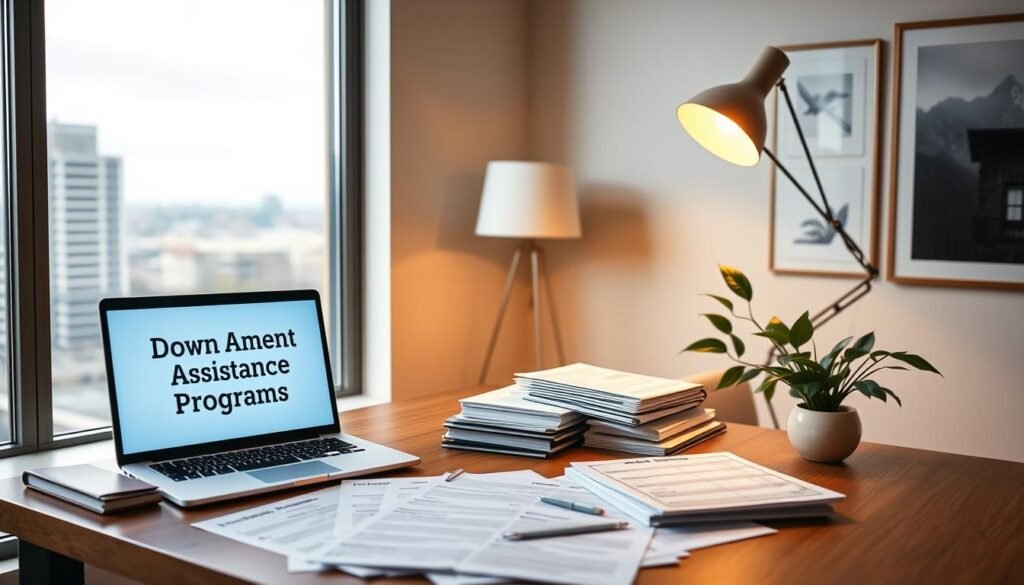
Looking into down payment assistance programs can really help when saving for a house. These programs offer a lot of financial support. This makes it easier to reach your goal of owning a home.
Federal Programs Overview
Federal down payment programs are made for people and families to buy homes. The Federal Housing Administration (FHA) loan is one example. It has easier credit score rules and lower down payments.
If you’re a veteran or in the military, check out the Department of Veterans Affairs (VA) loans.
State-Specific Assistance Options
Many states also have their own down payment help. This can include grants, low-interest loans, or matching funds. For instance, some states have programs just for first-time homebuyers or for homes in certain areas.
By looking into both federal and state programs, you can find the help you need. This makes saving for a down payment easier. And it helps you work towards owning a home.
Think Long-Term: Investment Accounts
To boost your savings for a home down payment, think about long-term investments. Saving is key, but growing your savings is also important. Long-term investment accounts can help your money grow faster, reaching your down payment goal sooner.
There are several long-term investment options to consider. High-interest savings accounts and certificates of deposit (CDs) are two popular choices. Both can earn interest on your savings, but they work differently.
High-Interest Savings Accounts
A high-interest savings account earns more interest than a regular savings account. It’s great for saving for a down payment because you can earn interest while keeping your money accessible.
- Earn a higher interest rate than a standard savings account
- Flexibility to access your money when needed
- Often comes with online banking and mobile banking apps for easy management
Consider Certificate of Deposits (CDs)
Certificates of Deposit (CDs) are time deposits with a fixed interest rate and maturity date. They are low-risk and offer a higher interest rate than regular savings accounts. However, you must keep your money in the CD until it matures to avoid penalties.
- Typically offers a fixed, higher interest rate
- Low risk, as they are insured by the bank
- Various term lengths are available, from a few months to several years
Choosing between a high-interest savings account and a CD depends on your needs. If you might need the money before the CD matures, a high-interest savings account is better. But, if you can lock your money away for a while, a CD could offer a higher return.

Adding long-term investment accounts to your savings plan can help you save more for a home down payment. It’s important to research and compare options to find the best one for your financial situation and goals.
Stay Motivated on Your Saving Journey
It’s key to stay motivated when saving for a down payment. Saving for a house takes time and effort. But with the right mindset, you can keep moving forward.
Set Milestones and Celebrate Progress
Break your savings goal into smaller steps. This makes it easier to stay on track. Celebrate each milestone, like saving your first $1,000 or a month of automated savings.
- Set specific savings targets
- Track your progress regularly
- Celebrate your achievements along the way
Visualize Your Future Home
Picture your future home to stay motivated. Think about the house you want, its location, and what it means to own it.
Make a vision board or a Pinterest board with your dream home pictures. This can help keep you motivated.
| Motivation Techniques | Description | Benefits |
|---|---|---|
| Setting Milestones | Break down savings goal into smaller targets | Track progress, celebrate achievements |
| Visualizing Future Home | Imagine your dream home | Stay motivated, focused on the goal |
Use these strategies to stay motivated and reach your down payment goal. For more tips on saving for a house, keep reading the next section.
Review and Adjust Your Plan Regularly
Working towards saving for a down payment means you need to check and tweak your plan often. Your money situation can shift, and looking at your budget and savings goals helps you adjust. This keeps you moving forward.
Reassess Your Financial Standing
Check your income and spending regularly. This helps you spot ways to save more. You might cut back on things you don’t need or find new ways to earn money. These steps can help you save more for a down payment, even when money is tight.
Adjusting Your Savings Goals
When your money situation changes, so might your savings goals. You might need to save longer or put more away each month. By keeping an eye on your plan and making changes, you stay on track to save for a down payment.