




Are you tired of living paycheck to paycheck? You’re not alone. A recent NerdWallet survey found nearly two-thirds of Americans want to save money in 2025. It’s a top financial goal for many.
Saving money doesn’t have to be hard. With a few simple strategies, you can start saving and feel more financially stable. This article will show you 7 effective hacks to save money quickly and efficiently.
Looking to pay off debt, build an emergency fund, or feel more financially secure? These tips will help you start your journey to financial freedom.
Understand Your Spending Habits
To control your finances, you must first understand your spending habits. Knowing where your money goes is key. This means tracking your expenses, finding ways to save, and making a budget that fits your life.
Track Your Expenses
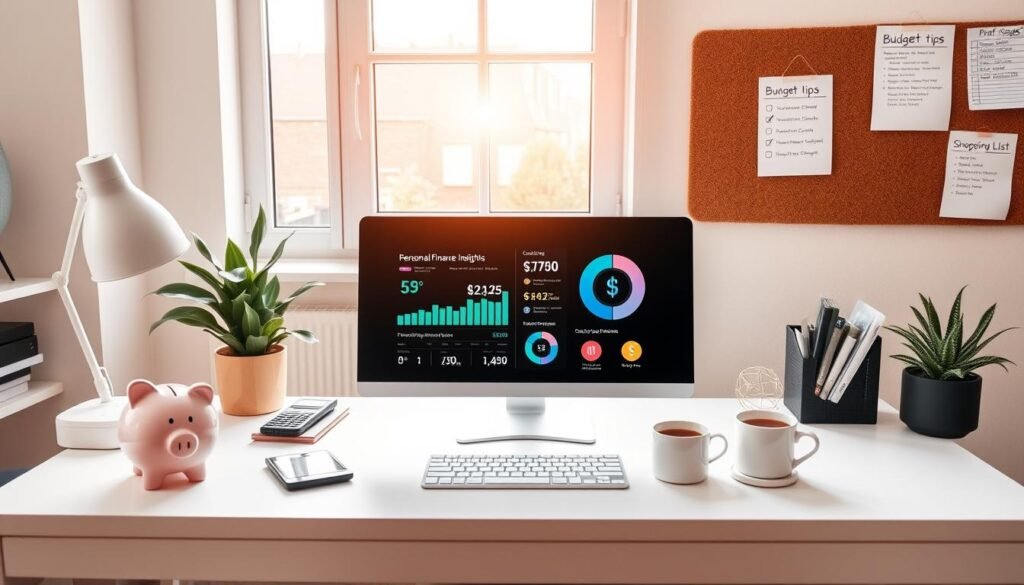
Tracking your spending is the first step. Start by recording every purchase, big or small. Use a notebook, spreadsheet, or an app to track your expenses. This helps you spot spending patterns and where you can save.
Identify Unnecessary Purchases
After tracking your spending, find out what you don’t need. Look at dining out too much, unused subscriptions, and impulse buys. Cutting back on these can save you money for savings.
Create a Budget
Making a budget is essential for managing money. Try the 50/30/20 rule. Allocate 50% for necessities, 30% for fun, and 20% for savings and debt. This ensures you save while enjoying life.
Good money-saving tips stress the need for a budget. Tailor your budget to your goals and lifestyle. Regularly check and adjust it to maximize your savings.
Automate Your Savings
One of the best ways to save money quickly is by automating your savings. Set up automatic transfers from your checking to savings or investment accounts. This way, you save regularly without having to remember.
Automating your savings helps you build wealth over time. For example, saving $200 monthly in a retirement account means $2,400 saved yearly. This steady saving can add up to big financial gains.
Set Up Automatic Transfers
Setting up automatic transfers is easy. You can do it through your bank’s online platform or mobile app. Pick how often and how much to transfer based on your goals and budget.
| Transfer Frequency | Pros | Cons |
|---|---|---|
| Monthly | Easy to manage, consistent savings | May coincide with other monthly expenses |
| Bi-Weekly | Aligns with paycheck schedules, potentially easier to save | May require more frequent monitoring |
Use Savings Apps
Savings apps can also boost your savings. Apps like Qapital, Digit, and Acorns help you save small amounts. They round up your purchases or set aside a fixed amount.

These apps make saving easier and less likely to be forgotten. By combining automatic transfers with savings app features, you can create a strong savings plan. It’s tailored to your financial goals.
Take Advantage of Discounts and Coupons
Maximizing your savings is easy with discounts and coupons. Today, there are many ways to save money. Knowing where to look is key.
Using cashback websites is a smart move. These sites give you a percentage of your purchase back. It’s a simple way to earn money back on everyday buys.
Use Cashback Websites
Cashback websites work with lots of retailers. They offer cashback on your purchases without extra cost. It’s a great way to save.
- Sign up for reputable cashback websites like Rakuten or TopCashback.
- Browse the platform for available cashback offers.
- Shop through the cashback website to earn rewards.
Sign Up for Loyalty Programs
Loyalty programs are another smart way to save. Many stores reward loyal customers with discounts and special offers.
To get the most from loyalty programs:
- Enroll in loyalty programs at your favorite stores.
- Use your loyalty card or app to earn points or rewards.
- Take advantage of personalized offers and discounts.
Follow Brands on Social Media
Following your favorite brands on social media can save you money. They often share exclusive deals and promo codes.
To save with social media:
- Follow your preferred brands on platforms like Facebook, Twitter, or Instagram.
- Turn on notifications to stay updated on their latest offers.
- Use the discount codes or participate in their contests and giveaways.
By using these strategies, you can cut your expenses and save more. It’s all about being proactive and using the resources available.
Reduce Monthly Bills
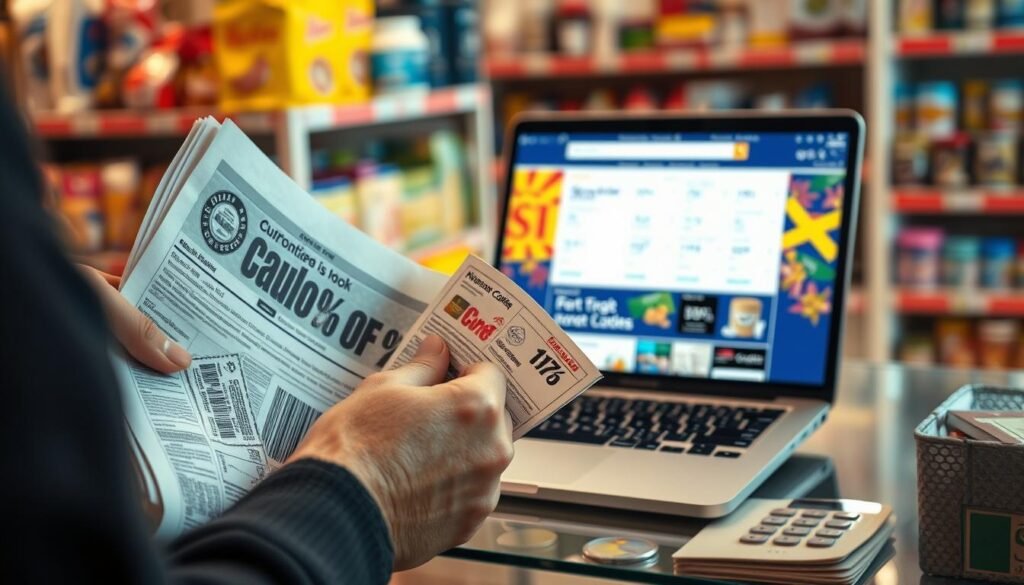
Start by looking at your monthly bills closely. This helps you see where your money goes. You can then find ways to save.
Negotiate with Service Providers
Talking to your service providers can lower your bills. This includes cable, internet, or insurance. Many are happy to offer better deals if you’ve been loyal.
Switch to More Affordable Plans
Changing to cheaper plans can save a lot. For example, getting a smaller cable package or a lower data plan can cut costs.

Eliminate Unused Subscriptions
Canceling unused subscriptions is easy and saves money. Check your streaming services, gym memberships, and magazine subscriptions. Canceling unused ones can lead to big savings.
Using these tips can greatly reduce your monthly bills. You can then use the saved money for important things like an emergency fund or long-term goals.
Make Smart Grocery Choices
You can save a lot on your grocery bills with a few simple steps. It’s all about being smart with your spending and finding ways to cut costs. You don’t have to sacrifice quality for savings.
Plan Your Meals
Planning meals ahead can save you money. Knowing what you need helps avoid impulse buys and keeps you on budget. Start by checking what you already have at home. Then, plan meals using those ingredients.
- Check your pantry, fridge, and freezer before you go shopping.
- Plan your meals for the week.
- Make a list of the ingredients you need.
Use Grocery List Apps
Using a grocery list app keeps you organized and on track. Apps like AnyList, Grocery Gadget, and Out of Milk are popular choices.
| App Name | Features | Price |
|---|---|---|
| AnyList | Allows sharing of lists, barcode scanning | Free, with premium features |
| Grocery Gadget | Offers recipe suggestions, coupon clipping | Free |
| Out of Milk | Manages pantry inventory, meal planning | Free, with premium features |
Buy in Bulk
Buying in bulk can save you money on non-perishable items. Just make sure to store them well to keep them fresh.
Items like rice, pasta, canned goods, and household supplies are often cheaper in bulk.

By following these tips, you can make smart grocery choices and save money. Every small change can lead to big savings over time.
Leverage Financial Tools
To manage your finances well, you need the right tools. Today, many digital tools help track expenses, create budgets, and reach savings goals.
Budgeting software is a key tool for managing money. It lets you track income and expenses, categorize spending, and set financial targets. Popular options include Mint, You Need a Budget (YNAB), and Personal Capital.
Use Budgeting Software
Budgeting software keeps you informed about your spending. It tracks expenses and reminds you of bills, helping you avoid overspending. This way, you make better financial choices.
Mint gives a detailed view of your finances, including income, expenses, and savings goals. YNAB helps manage money by assigning jobs to every dollar earned.
Track Savings Goals
Tracking savings goals is vital for financial management. Setting clear targets keeps you motivated to save and move closer to your financial goals.
Savings goal trackers help you see your progress and stay focused. For example, Qapital sets up automatic transfers to your savings, helping you reach your goals.

Using tools like budgeting software and savings trackers helps you control your finances. They are useful for both short-term and long-term savings goals. These tools guide you in making smart financial decisions.
Reevaluate Your Financial Goals
Your financial goals should change as your life and money situation do. It’s important to review them often. This keeps you focused on what matters and helps you adjust when needed.
Set Short-Term and Long-Term Goals
Having clear financial goals is key to saving well. You should have short-term goals, like saving for a trip or a house down payment. And long-term goals, like retirement or your kids’ education.
To set these goals, follow these steps:
- Know what you want to achieve.
- Figure out a realistic time frame for your goals.
- Figure out how much you need to save regularly to reach your goals.
| Goal Type | Timeframe | Example |
|---|---|---|
| Short-Term | Less than 2 years | Saving for a vacation |
| Long-Term | More than 5 years | Retirement savings |
Adjust and Reinforce Your Strategies
As your financial situation and goals change, so should your savings plans. You might need to make more money, spend less, or try new ways to save.
To make your strategies work better, consider:
- Check your budget and savings often.
- Make saving automatic to keep making progress.
- Avoid spending on things you don’t need to keep your savings on track.
By regularly checking your financial goals and adjusting your plans, you can save money fast and reach financial stability.
Build an Emergency Fund
Creating a solid emergency fund is key to financial stability. It helps you prepare for unexpected costs. Saving the right amount and choosing the best savings account is important.
Calculating Your Emergency Fund
Experts say save three to six months’ worth of expenses. First, list your monthly must-haves like rent, utilities, and groceries. Use a budgeting app or spreadsheet to track and set your savings goal.
Selecting the Right Savings Account
When picking a savings account, look at interest rates, fees, and how easy it is to use. High-yield savings accounts with low fees are good choices. Banks with mobile apps, like Ally or Discover, make managing your account easy.
By using these tips and building an emergency fund, you’ll be ready for financial ups and downs. You’ll also reach your long-term goals.